Allegation:
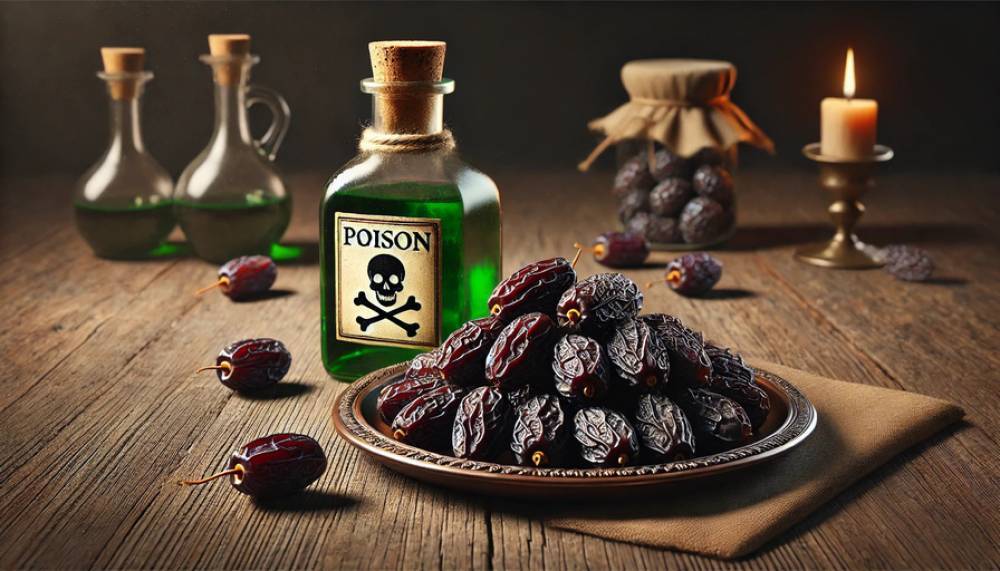
It is mentioned in a hadith that if a person eats seven Ajwa dates in the morning, neither magic nor poison will harm him that day. Islamophobes raise the question — if someone eats seven Ajwa dates, will he then remain unharmed even if he consumes potassium cyanide or any similar deadly poison? They label this hadith as unscientific. They also mockingly ask — will any Muslim who believes this hadith be willing to take poison himself to prove its truth?
Response:
Let us first see what the hadith actually says—
سَمِعْتُ سَعْدًا يَقُوْلُ سَمِعْتُ رَسُوْلَ اللهِ صلى الله عليه وسلم يَقُوْلُ مَنْ تَصَبَّحَ سَبْعَ تَمَرَاتٍ عَجْوَةً لَمْ يَضُرَّه“ ذ‘لِكَ الْيَوْمَ سُمٌّ وَلاَ سِحْرٌ.
Meaning: “Narrated from Sa‘d (RA): He said, I heard the Messenger of Allah ﷺ say: Whoever eats seven Ajwa dates in the morning, that day neither poison nor magic will harm him.” [1]
This is a hadith from Sahih al-Bukhari and is undoubtedly authentic. There are also several other narrations that further specify the meaning of the first one.
عَنْ عَائِشَةَ، أَنَّ رَسُولَ اللَّهِ صلى الله عليه وسلم قَالَ " إِنَّ فِي عَجْوَةِ الْعَالِيَةِ شِفَاءً أَوْ إِنَّهَا تِرْيَاقٌ أَوَّلَ الْبُكْرَةِ " .
Meaning: Narrated from ‘Aishah (RA) that the Messenger of Allah ﷺ said: “In the Ajwa dates of the upper region (al-‘Aliyah) of Madinah there is healing — or he said: they are an antidote if eaten in the early morning.” [2]
From this we see that the Prophet ﷺ clarified that this special virtue applies only to Ajwa dates grown in a specific region of Madinah called al-‘Aliyah. Based on this, the scholars of hadith stated that not all Ajwa dates possess this property — rather, it is specific to the dates from that blessed area, and primarily for the people of Madinah and its surroundings, not for the rest of the world.
Ibn Muflih (Rh.) said regarding this hadith:
وَقَالَ بَعْضُ أَصْحَابِنَا: هَذَا الْحَدِيثُ أُرِيدَ بِهِ أَهْلُ الْمَدِينَةِ، وَمَنْ جَاوَرَهُمْ، كَذَا قَالَ.
Meaning: “And some of our companions said: "This Hadith was intended for the people of Medina and those who lived near them." That is what he said.” [3]
Shaykh al-Islam Ibn Taymiyyah’s famous student, Imam Ibn al-Qayyim al-Jawziyyah (Rh.), expressed a similar view:
وَهَذَا الْحَدِيثُ مِنَ الْخِطَابِ الَّذِي أُرِيدَ بِهِ الْخَاصُّ، كَأَهْلِ الْمَدِينَةِ وَمَنْ جَاوَرَهُمْ،
Meaning: “This hadith belongs to the category of statements intended for a specific group — namely the people of Madinah and those near them.” [4]
The reason the scholars explained it this way is that the Prophet ﷺ himself planted Ajwa date palms and supplicated for blessings in Madinah — in its fruits and all its affairs. The Prophet ﷺ said in his supplication:
اَللَّهمَّ بَارِكْ لَنَا فِيْ ثَمَرِنا، وَبَارِكْ لَنَا فِيْ مَدِيْنَتِنَا، وَبَارِكْ لَنَا فِيْ صَاعِنَا، وَبَارِكْ لَنَا فِي مُدِّنَا
Meaning: “O Allah, bless our fruits for us, bless our city of Madinah for us, bless our sā‘ (measure) for us, and bless our mudd (measure) for us.” [Muslim: 1373]
Many hadiths mention the special blessings of Madinah. [5] Therefore, the scholars concluded that the protective quality of Ajwa dates is linked to the blessing (barakah) of Madinah and the Prophet’s ﷺ supplication — not due to any inherent chemical property of the dates themselves.
That is also why the Prophet ﷺ mentioned seven Ajwa dates — if the dates themselves had a natural anti-toxin effect, there would be no need to specify a number. The number seven here is symbolic, as seen in many acts of worship where numbers are divinely fixed, such as the number of rak‘ahs in prayers or the nisāb threshold for zakah. [6]
Some scholars further explained that the particular Ajwa dates referred to in the hadith existed during the Prophet’s ﷺ lifetime but may no longer exist today. Thus, the hadith’s meaning — that Ajwa dates act as protection against witchcraft and poison — was a miraculous blessing specific to the Prophet’s ﷺ era, not a universal or scientific rule for all times. However, the scholars do differ somewhat on this point.
Allāmah Badr al-Dīn al-‘Aynī (Rh.), in his commentary on the hadith under discussion, mentioned—
الأوَّلُ: قُيِّدَ بِقَوْلِهِ: اصْطَبَحَ، لِأَنَّ المُرَادَ تَنَاوُلُهُ بُكْرَةَ النَّهَارِ حَتَّى إِذَا تَعَشَّى بِتَمَرَاتٍ لَا تَحْصُلُ الْفَائِدَةُ الْمَذْكُورَةُ، هَذَا تَقْيِيدٌ بِالزَّمَانِ، وَجَاءَ فِي رِوَايَةِ أَبِي ضَمْرَةَ التَّقْيِيدُ بِالْمَكَانِ أَيْضًا، وَلَفْظُهُ: مَنْ تَصَبَّحَ بِسَبْعِ تَمَرَاتٍ عَجْوَةٍ مِنْ تَمْرِ الْعَالِيَةِ، وَالْعَالِيَةُ الْقُرَى الَّتِي فِي جِهَةِ الْعَالِيَةِ مِنَ الْمَدِينَةِ، وَهِيَ جِهَةُ نَجْدٍ، وَلَهُ شَاهِدٌ عِنْدَ مُسْلِمٍ مِنْ طَرِيقِ ابْنِ أَبِي مُلَيْكَةَ عَنْ عَائِشَةَ بِاللَّفْظِ: فِي عَجْوَةِ الْعَالِيَةِ شِفَاءٌ فِي أَوَّلِ الْبُكْرَةِ.
الثَّانِي: قُيِّدَ التَّمَرَاتُ بِالْعَجْوَةِ لِأَنَّ السِّرَّ فِيهَا أَنَّهَا مِنْ غَرْسِ النَّبِيِّ صَلَّى اللَّهُ عَلَيْهِ وَسَلَّمَ، كَمَا ذَكَرْنَا، وَوَقَعَ فِي رِوَايَةِ النَّسَائِيِّ مِنْ حَدِيثِ جَابِرٍ رَفَعَهُ: "الْعَجْوَةُ مِنَ الْجَنَّةِ، وَهِيَ شِفَاءٌ مِنَ السُّمِّ"، وَقَالَ الْخَطَّابِيُّ: كَوْنُ الْعَجْوَةِ تَنْفَعُ مِنَ السُّمِّ وَالسِّحْرِ إِنَّمَا هُوَ بِبَرَكَةِ دَعْوَةِ النَّبِيِّ صَلَّى اللَّهُ عَلَيْهِ وَسَلَّمَ لِتَمْرِ الْمَدِينَةِ، لَا لِخَاصِّيَّةٍ فِي التَّمْرِ، وَقَالَ ابْنُ التِّينِ: يَحْتَمِلُ أَنْ يَكُونَ نَخْلًا خَاصًّا مِنَ الْمَدِينَةِ لَا يُعْرَفُ الْآنَ.
Meaning: “First: the word اصطبح (to take in the morning) places a condition — the intent is to consume it in the morning; if one eats dates at night for dinner, the mentioned benefit will not occur. This is a restriction of time. In the narration of Abu Damrah, there is also a restriction of place; his wording is: ‘Whoever eats seven Ajwa dates in the morning from the dates of al-‘Aliyah…’ Al-‘Aliyah refers to the villages on the high side of Madinah, toward the direction of Najd. There is supporting evidence for this in Sahih Muslim, from Ibn Abi Mulaykah, from ‘Aishah (RA), with the wording: ‘In the Ajwa dates of al-‘Aliyah there is healing when eaten early in the morning.’
Second: the specification of Ajwa dates is because their special quality lies in the fact that they were planted by the Prophet ﷺ himself, as we have mentioned. In a narration of al-Nasa’i from Jabir (RA), the Prophet ﷺ said: “Al-‘Ajwah is from Paradise, and it is a cure for poison.” Al-Khattabi (Rh.) said: ‘The fact that Ajwa benefits against poison and witchcraft is due to the blessing of the Prophet’s ﷺ supplication for the dates of Madinah, not because of any inherent property of the dates themselves.’ Ibn al-Tin (Rh.) said: ‘It may be that there was a particular type of date-palm in Madinah that is no longer known.’” [7]
Ibn al-Mulaqqin (Rh.), in explaining this hadith, mentioned—
قالَ ابْنُ التِّينِ: أَي: أَكْلُهُنَّ فِي الصَّبَاحِ قَبْلَ أَنْ يَأْكُلَ شَيْئًا. قُلْتُ: تُؤَيِّدُهُ رِوَايَةُ ابْنِ نُمَيْرٍ عَنْ هِشَامٍ، عَنْ أَبِيهِ، عَنْ عَائِشَةَ - رَضِيَ اللَّهُ عَنْهَا - أَنَّهَا كَانَتْ تَأْمُرُ فِي الدَّوَاءِ بِسَبْعِ تَمَرَاتٍ عَجْوَةٍ غُدْوَاتٍ عَلَى الرِّيقِ.
قَالَ الدَّاوُدِيُّ: وَالْعَجْوَةُ مِنْ وَسَطِ التَّمْرِ. قَالَ الْقَزَّازُ: وَهِيَ مِمَّا غَرَسَ رَسُولُ اللَّهِ - صَلَّى اللَّهُ عَلَيْهِ وَسَلَّمَ - بِالْمَدِينَةِ، وَكَذَا قَالَ ابْنُ الْأَثِيرِ: إِنَّهَا نَوْعٌ مِنْ تَمْرِ الْمَدِينَةِ أَكْبَرُ مِنَ الصَّيْحَانِيِّ يَضْرِبُ إِلَى السَّوَادِ مِنْ غَرْسِ رَسُولِ اللَّهِ - صَلَّى اللَّهُ عَلَيْهِ وَسَلَّمَ -. وَقَالَ الْجَوْهَرِيُّ: إِنَّهَا ضَرْبٌ بِهَا مِنْ أَجْوَدِ التَّمْرِ، وَنَخْلُهَا يُسَمَّى لِينَةً، وَقِيلَ: هَذَا مَا لَا يُغْفَلُ مَعْنَاهُ فِي طَرِيقَةِ عِلْمِ الطِّبِّ، وَلَوْ صَحَّ أَنْ يُخْرَجَ لِمَنْفَعَةِ التَّمْرِ فِي السُّمِّ وَجْهٌ مِنْ جِهَةِ الطِّبِّ لَمْ يُقْدَرْ عَلَى إِظْهَارِ وَجْهِ الِاقْتِصَارِ فِي الْعَدَدِ عَلَى سَبْعٍ، وَلَا عَلَى الِاقْتِصَارِ عَلَى الْعَجْوَةِ، وَلَعَلَّ ذَلِكَ كَانَ لِأَهْلِ زَمَنِهِ - صَلَّى اللَّهُ عَلَيْهِ وَسَلَّمَ -. وَقِيلَ: يَجْعَلُ اللَّهُ الشِّفَاءَ فِيمَا شَاءَ مِنْ عَجْوَةٍ وَعَدَدٍ، وَقِيلَ: أَرَادَ نَخْلًا بِعَيْنِهِ وَهُوَ لَا يُعْرَفُ الْآنَ، وَالسُّمُّ سِينُهُ مُثَلَّثَةٌ، وَلَمْ يَذْكُرِ ابْنُ التِّينِ الْكَسْرَ، (وَحَكَّاهَا صَاحِبُ "الْمَطَالِعِ")، وَكَوْنُهَا عُوذًا مِنَ السُّمِّ تَبَرُّكًا لِدَعْوَةٍ سَبَقَتْ مِنْ رَسُولِ اللَّهِ - صَلَّى اللَّهُ عَلَيْهِ وَسَلَّمَ -، لَا أَنَّ طَبْعَ التَّمْرِ ذَلِكَ، قَالَهُ الْخَطَّابِيُّ.
Meaning: “Ibn al-Tin (Rh.) said: meaning, they should be eaten in the morning before consuming anything else. I [Ibn al-Mulaqqin] say: this is supported by the narration of Ibn Numayr from Hisham, from his father, from ‘Aishah (RA), that she used to instruct in treatment with seven Ajwa dates taken early in the morning on an empty stomach.
Al-Dawudi (Rh.) said: ‘Ajwa is a medium-sized date.’ Al-Qazzaz (Rh.) said: ‘It is among the date-palms planted by the Messenger of Allah ﷺ in Madinah.’ Likewise, Ibn al-Athir (Rh.) said: ‘It is a type of Madinan date larger than the Saihani variety, darker in color, and planted by the Messenger of Allah ﷺ himself.’ Al-Jawhari (Rh.) said: ‘It is one of the finest types of dates, and its tree is called Līnah.’
Some have said: ‘This is something whose meaning cannot easily be explained through medical science. If the medicinal benefit of dates against poison could be medically determined, one could not explain why the number was restricted to seven, or why only Ajwa was specified.’
Perhaps this was something specific to the people of the Prophet’s ﷺ era. Others said: ‘Allah places healing in whatever He wills — in any Ajwa or any number.’ Another opinion is that it referred to a specific palm tree which is now unknown. The word “السم” (poison) — its sīn may have a variant pronunciation, though Ibn al-Tin did not mention it (as noted by the author of al-Matāli‘). The protective quality against poison is due to the barakah (blessings) of the Prophet’s ﷺ supplication, not an intrinsic property of the dates themselves — as al-Khattabi (Rh.) stated.” [8]
Regarding whether the special property of Ajwa dates applies only to the time of the Prophet ﷺ or continues to apply today — Imām al-Qurṭubī (Rh.) discussed this matter. He mentioned:
وَظَاهِرُ هَذِهِ الْأَحَادِيثِ: خُصُوصِيَّةُ عَجْوَةِ الْمَدِينَةِ بِدَفْعِ السُّمِّ، وَإِبْطَالِ السِّحْرِ. وَهَذَا: كَمَا تُوجَدُ بَعْضُ الْأَدْوِيَةِ مَخْصُوصَةً بِبَعْضِ الْمَوَاضِعِ، وَبِبَعْضِ الْأَزْمَانِ. وَهَلْ هَذَا مِنْ بَابِ الْخَوَاصِّ الَّتِي لَا تُدْرَكُ بِقِيَاسٍ طِبِّيٍّ، أَوْ هُوَ مِمَّا يَرْجِعُ إِلَى قِيَاسٍ طِبِّيٍّ؛ ٱخْتَلَفَ عُلَمَاؤُنَا فِيهِ، فَمِنْهُمْ مَنْ تَكَلَّفَهُ وَقَالَ: إِنَّ السُّمُومَ إِنَّمَا تَقْتُلُ لِإِفْرَاطِ بُرُودَتِهَا، فَإِذَا دَامَ عَلَى التَّصَبُّحِ بِالْعَجْوَةِ تَحَكَّمَتْ فِيهِ الْحَرَارَةُ، وَٱسْتَعَانَتْ بِهَا الْحَرَارَةُ الْغَرِيزِيَّةُ، فَقَابَلَ ذَلِكَ بُرُودَةَ السُّمِّ مَا لَمْ يَسْتَحْكِمْ، فَبَرَأَ صَاحِبُهُ بِإِذْنِ اللَّهِ تَعَالَى.
قُلْتُ: وَهَذَا يَرْفَعُ خُصُوصِيَّةَ عَجْوَةِ الْمَدِينَةِ، بَلْ خُصُوصِيَّةَ الْعَجْوَةِ مُطْلَقًا، بَلْ خُصُوصِيَّةَ التَّمْرِ، فَإِنَّ هُنَاكَ مِنَ الْأَدْوِيَةِ الْحَارَّةِ مَا هُوَ أَوْلَى بِذَلِكَ مِنْهُ، كَمَا هُوَ مَعْرُوفٌ عِنْدَ أَهْلِهِ. وَالَّذِي يَنْبَغِي أَنْ يُقَالَ: إِنَّ ذَلِكَ خَاصَّةُ عَجْوَةِ الْمَدِينَةِ كَمَا أَخْبَرَ بِهِ الصَّادِقُ - صَلَّى اللَّهُ عَلَيْهِ وَسَلَّمَ -.
ثُمَّ هَلْ ذَلِكَ مَخْصُوصٌ بِزَمَانِ نُطْقِهِ - صَلَّى اللَّهُ عَلَيْهِ وَسَلَّمَ - أَوْ هُوَ فِي كُلِّ زَمَانٍ؟ كُلُّ ذَلِكَ مُحْتَمَلٌ، وَالَّذِي يَرْفَعُ هَذَا الِٱحْتِمَالَ التَّجْرِبَةُ الْمُتَكَرِّرَةُ، فَإِنْ وَجَدْنَا ذَلِكَ كَذَلِكَ فِي هَذَا الزَّمَانِ؛ عَلِمْنَا أَنَّهَا خَاصَّةٌ دَائِمَةٌ، وَإِنْ لَمْ نَجِدْهُ مَعَ كَثْرَةِ التَّجْرِبَةِ؛ عَلِمْنَا أَنَّ ذَلِكَ مَخْصُوصٌ بِزَمَانِ ذَلِكَ الْقَوْلِ. وَاللَّهُ تَعَالَى أَعْلَمُ.
Meaning: “The apparent meaning of these hadiths is that the Ajwa dates of Madinah have a special quality — they repel poison and nullify magic. This is similar to how certain medicines are effective only in specific locations or times.
As for whether this is among the unique properties that cannot be explained medically, or whether it can be understood through medical reasoning — our scholars have differed. Some have tried to explain it and said: poison kills because of its extreme coldness; so if a person regularly eats Ajwa dates in the morning, heat dominates in his body, and this natural warmth combats the coldness of the poison before it takes effect, allowing recovery by the permission of Allah.
I [Imam al-Qurṭubī] say: This explanation nullifies the specific quality of Madinan Ajwa dates, and indeed the specific quality of Ajwa generally — even the particularity of dates altogether. For there are many heating medicines which, according to medical experts, would be even more suited to this effect. The correct position is that this quality belongs exclusively to the Ajwa dates of Madinah, just as the truthful Prophet ﷺ informed us.
Then the question arises: Is this quality limited to the time of the Prophet ﷺ, or is it valid for all times? Both are possible. What removes this uncertainty is repeated experimentation. If we observe the same effect in this era, then we know it is a permanent property. But if we do not find such results despite repeated trials, then we know it was limited to the time of the Prophet’s ﷺ statement. And Allah knows best.” [9]
Now, regarding the atheists’ challenge to “prove” the hadith by consuming poison: poison is haram (prohibited). It is not permissible in Islam to consume anything harmful or deadly to prove a point. There is no need to eat poison to validate Islam — there are countless other ways to demonstrate its truth.
In a related fatwa, Shaykh Mazhar Mahmood wrote:
“It is entirely forbidden in Islām to deliberately consume poison or any such element which will cause detrimental consequences for one’s life, safety and health.
The beautiful faith of Islām does not require proving its legitimacy with irresponsible actions.
One should yearn to defend Islam through professional, civil, peaceful and intellectual dialogue rather than engaging in unwarranted radicalism.” [10]
Therefore, in summary:
1. The hadith’s statement about Ajwa dates protecting from poison applies specifically to those grown in a certain region of Madinah — not to all Ajwa dates.
2. This protection is due to the blessings of the Prophet ﷺ, who personally planted the Ajwa date palms. There is no independent natural property in the fruit itself.
3. The poison-repelling quality may have been limited to the Prophet’s ﷺ era or to those blessed trees he planted, though some scholars hold it could continue today. The hadith is authentic, but scholars differ on whether it applies beyond his time.
4. It is not permissible in Islam to accept a challenge by consuming poison or any haram substance. Nor is it necessary — there are many legitimate ways to prove Islam’s truth.
For further reference, see:
Sapient Thoughts #22: Understanding the hadith of 7 dates and poison | Mohammed Hijab
References:
[1] Sahih al-Bukhari, Hadith No: 5769
See also: Mishkat al-Masabih, Hadith No: 4190
[2] Sahih Muslim, Hadith No: 5168
See also: Mishkat al-Masabih, Hadith No: 4191
[3] Al-Adab al-Shar‘iyyah wa’l-Minhu Mar‘iyyah – Shams al-Din Ibn Muflih, Vol. 3, p. 6
https://shamela.ws/book/21582/922
or https://archive.is/wip/gxUnm (archived)
[4] Zad al-Ma‘ad – Ibn al-Qayyim al-Jawziyyah, Vol. 4, p. 90
https://shamela.ws/book/21713/1601
or https://archive.is/wip/xT11X (archived)
[5] For more information about the blessings of Madinah, see (Bengali article):
https://www.hadithbd.com/books/link/?id=7447
[6] Imam al-Nawawi (Rh.) mentioned:
وَفِي هَذِهِ الْأَحَادِيثِ فَضِيلَةُ تَمْرِ الْمَدِينَةِ وَعَجْوَتِهَا وَفَضِيلَةُ التَّصَبُّحِ بِسَبْعِ تَمَرَاتٍ مِنْهُ وَتَخْصِيصُ عَجْوَةِ الْمَدِينَةِ دُونَ غَيْرِهَا وَعَدَدُ السَّبْعِ من الأمور التى علمها الشارع ولانعلم نَحْنُ حِكْمَتَهَا فَيَجِبُ الْإِيمَانُ بِهَا وَاعْتِقَادُ فَضْلِهَا وَالْحِكْمَةُ فِيهَا وَهَذَا كَأَعْدَادِ الصَّلَوَاتِ وَنُصُبِ الزَّكَاةِ وَغَيْرِهَا فَهَذَا هُوَ الصَّوَابُ فِي هَذَا الْحَدِيثِ
Meaning: “In these hadiths, there is a virtue of the dates of Madinah and its ‘Ajwah variety, and the virtue of eating seven of them in the morning. The ‘Ajwah of Madinah has been specifically mentioned, excluding others.
As for the number seven — it is among those matters whose wisdom is known to the Lawgiver, while we do not know its reasoning. Therefore, it is obligatory to believe in it, to affirm its virtue, and to acknowledge that there is wisdom in it.
This is similar to the specified numbers in prayers, the zakat thresholds, and other such rulings. This is the correct understanding of this hadith.”
[Sharh Sahih Muslim – Yahya ibn Sharaf al-Nawawi, Vol. 3, p. 14]
https://shamela.ws/book/1711/3040
or https://archive.is/wip/QkWL2 (archived)
[7] Umdat al-Qari Sharh Sahih al-Bukhari – Badr al-Din al-Ayni, Vol. 21, pp. 286–287
https://shamela.ws/book/5756/6486
https://shamela.ws/book/5756/6487
or (archived)
https://archive.is/wip/BF0Y1
https://archive.is/wip/HVY3b
[8] Tawdih li Sharh al-Jami‘ al-Sahih – Ibn al-Mulaqqin, Vol. 27, pp. 553–554
https://shamela.ws/book/13252/16621
https://shamela.ws/book/13252/16622
or (archived)
https://archive.is/wip/gsbcK
https://archive.is/wip/6sLXN
[9] Al-Mufhim lima Ashkala min Talkhis Kitab Muslim – Abu al-‘Abbas al-Qurtubi, Vol. 5, p. 322
https://shamela.ws/book/132524/2976
or https://archive.is/wip/F1xUA (archived)
[10] Consuming Poison to Prove Islam in a Debate – IslamQA (Hanafi)
https://islamqa.org/?p=177865
or https://archive.is/i00BQ (archived)